Computer Science
Engineering Plastic Filters: Photo Classification
Upper Elementary
Impacts of Computing
Data & Analysis
Algorithms & Programming
In Classrooms
Students train and test an online photo classification model to distinguish between photos of animals and photos of trash.
Module Overview
Students consider how a machine learning model could be used to classify objects in photos as either animals or trash. They learn that the model uses patterns in training data to make predictions about new data. Groups then add to the existing training data to improve classification results.
- Teach this module after Engineering Plastic Filters
- 3 lessons
- 45 minutes per lesson
- Student materials available in Spanish
- Computational tools used: Google Teachable Machine (free web-based application)
- Computer science modules require a short list of materials not included in a kit
Standards Alignment
YES units align with state and national science standards, integrating seamlessly with popular elementary science curricula.
Module Resources
Digital Resources (FREE)
YES provides these materials free of charge! Use the link below to download resources from our Google Drive.
Download ResourcesModule Map
Students work in groups to test an imperfect machine learning photo classification model. They are introduced to the concept of training data.
Students recognize and apply visual patterns to classify photos as a computer would. They discover that patterns that work for one set of photos may not work well for another.
Students work in groups to select new training data to add to the machine learning model. They retrain the computer to improve the model’s accuracy.
Teacher Preparation Videos
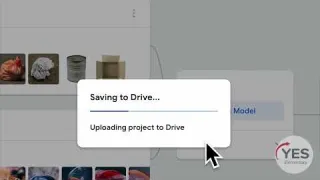

Lesson 1 Preparation: Download and Share the Teachable Machine File
Videos for Students
Lesson 1: How to Test
Lesson 3: How to Train and Test
Our funders
Major support for this project has been provided by Dell Technologies.