





Extend learning with this computer science module designed to be taught after Engineering Earthquake-Resistant Buildings. Students learn about the United States Geological Survey (USGS) Did You Feel It? (DYFI) survey and the algorithm that is applied to survey responses to calculate an earthquake’s intensity. They observe how the intensity calculation changes when they manipulate the algorithm.
YES Middle School
Engineering Earthquake-Resistant Buildings
Middle School
Earth and Human Activity
In Classrooms
Students explore how earthquakes damage buildings and engineer a model building that can experience an earthquake without deforming.
Unit Overview
In this engineering unit, students use the Engineering Design Process to design earthquake-resistant buildings. Students explore relationships between building height, shaking frequency, and building damage. They learn about two methods to improve a building’s earthquake resistance: strengthening the joints and adding braces.
- 9 lessons
- 45–65 minutes per lesson
- Student materials available in Spanish
- Connects to computer science modules: Crowdsourced Disaster Data and Early Warning Systems
| Curriculum Line | YES Middle School |
| Engineering Field | Structural Engineering, Earthquake Engineering |
| Science Domain | Earth & Space Science |
| Science Topic | Natural hazards |
| Suggested Grade Level | 6–8 |
Standards Alignment
YES units align with state and national science standards, integrating seamlessly with popular middle school science curricula.
Unit Resources
Digital Resources (FREE)
YES provides these materials free of charge! Use the link below to download resources from our Google Drive.
Download ResourcesPurchase Materials
Materials Kit -
$299
- Hands-on materials to support 24 learners.
Additional Section Kit -
$189
- Supplements Materials Kit to serve up to 24 more students.
Unit Map
Students are introduced to engineering by designing a phone stand to solve an everyday problem.
Students learn about the problem by reviewing case studies of real-world earthquakes and observing how a simulated earthquake damages a model building.
Teams investigate how well different joint types and braces reduce deformation of a model building.
Teams test which ground shaking speeds affect buildings of different heights. They connect soil type to shaking frequency and consider how engineers use this relationship to design earthquake-resistant buildings.
Teams test a model of their assigned building in a simulated earthquake to observe the damage. They individually brainstorm how to make the building earthquake resistant based on what they observe.
Teams are told their building’s cost constraint. They develop one plan for their earthquake-resistant building.
Teams delegate tasks, construct their building according to their plan, and test their design in a simulated earthquake.
Teams use test data to identify successes and failures in their design. They iterate on their design and compare their iterated design to their first.
Teams reflect on the implications of the design decisions they made through a proposal and reflect on their identity as engineers.
Teacher Preparation Videos
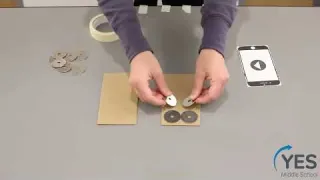

Lesson 1 Preparation: Model Phone
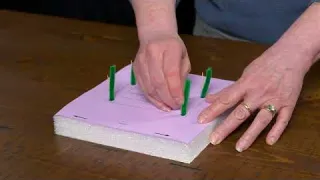
Lesson 2 Preparation: First Floor
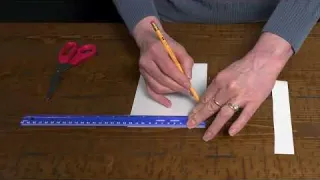
Lesson 4 Preparation: BOSS Model
Videos for Students
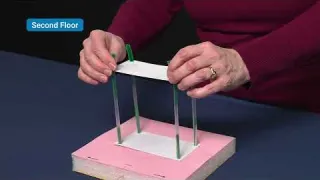
Lesson 2: Make a Model Building
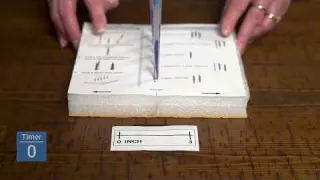
Lesson 3: Joint Investigation
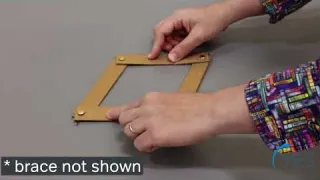
Lesson 3: Brace Investigation
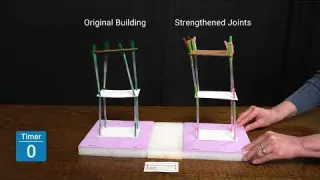
Lesson 3: Compare Joints
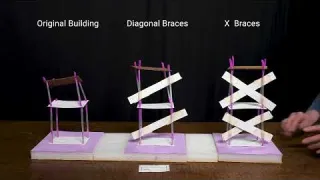
Lesson 3: Compare Braces

Lesson 4: BOSS Model Investigation
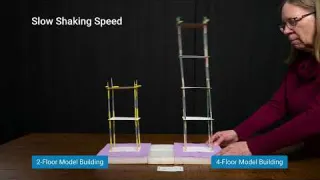
Lesson 4: Predict Building Sway
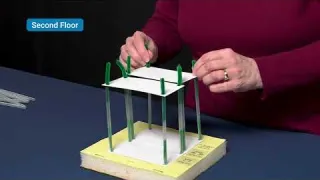
Lesson 5: Make a Model School
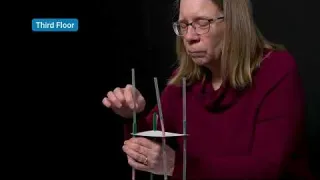
Lesson 5: Make a Model Apartment Building
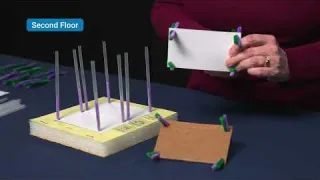
Lesson 5: Make a Model Hospital
Our funders
Major support for this project has been provided by MathWorks.


Early Warning Systems
Extend learning with this computer science module designed to be taught after Engineering Earthquake-Resistant Buildings. Students program micro:bits to send accelerometer data from one micro:bit to another, simulating part of earthquake early warning systems where seismic sensors send information about ground shaking to a central processing center.