YES Elementary
Engineering Magnetic Dog Doors
Upper Elementary
Motion & Stability
In Classrooms
Students engineer dog door systems for an animal shelter that can open or stay closed using magnetic forces.
Unit Overview
Students use the Engineering Design Process to design a magnetic door system for a dog shelter. Students apply what they learn about magnetic attraction and repulsion to design a door system that allows shelter dogs into the kennel but prevents other animals from entering.
- 9 lessons
- 45-60 minutes per lesson
- Student materials available in Spanish
| Curriculum Line | YES Elementary |
| Engineering Field | Mechanical Engineering |
| Science Domain | Physical Science |
| Science Topic | Magnetic forces, balanced and unbalanced forces |
| Suggested Grade Level | Upper Elementary |
Standards Alignment
YES units align with state and national science standards, integrating seamlessly with popular elementary science curricula.
Unit Resources
Digital Resources (FREE)
YES provides these materials free of charge! Use the link below to download resources from our Google Drive.
Download ResourcesPurchase Materials
Educator Guide Pack -
$69
- Full-color print educator guide, plus multiple sets of heavy-duty reusable color-print resources (ex. vocabulary cards, materials glossaries, station signs, and student instructions) for the class.
Materials Kit -
$279
- Hands-on materials to support 30 learners.
Unit Map
Students are introduced to engineering by designing a model bench for people waiting at a bus stop. They learn about the Engineering Design Process as they reflect on how they solved the problem.
Students begin reading a comic about an animal shelter that needs doors for its dog kennels. They identify the forces that act on a door system.
Students play a relay game to learn about the magnetic force and which objects are attracted to magnets.
Students measure the force of attraction between a magnet and different materials.
Students measure the force of repulsion between different shapes and numbers of magnets.
Students independently imagine ideas for their dog door systems. They work with a partner to plan one dog door system.
Students create their dog door systems and test how well their designs meet the criteria and constraints.
Students identify aspects of their dog door systems to improve. They make adjustments and test their improved designs.
Students present their designs to their peers and reflect on their mechanical engineering work.
Teacher Preparation Videos

Lesson 2 Preparation: Model Dog Door
Lesson 3 Preparation: Magnet Relay
Lesson 4 Preparation: Attraction Testing
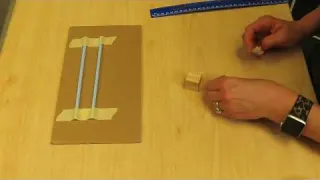
Lesson 5 Preparation: Repulsion Testing
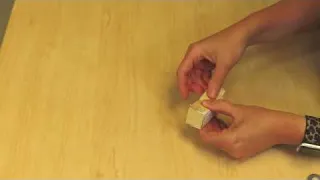
Lesson 5 Preparation: Model Dog
Videos for Students
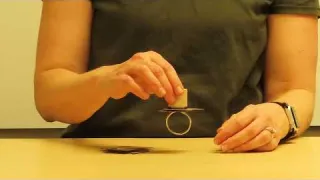
Lesson 4: Attraction Testing Procedure
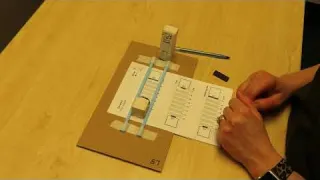
Lesson 5: Repulsion Testing Procedure