Consider Problems in Context

Engineers must consider the users and relevant conditions when designing solutions. Engineers often design for clients who set parameters and express preferences.

Image
Reading comic

Why is considering problems in context important for youth?

Engineering becomes meaningful when students understand the real-world context behind a problem. When young learners know who they’re designing for and why it matters, engineering shifts from an activity to a purpose-driven mission.


Professional engineers also begin by considering users’ needs, environments, and constraints, recognizing that solutions impact people, places, and communities. Context helps students see that a hand pollinator supports food production, or a medicine cooler protects life-saving treatments. By grounding challenges in authentic problems, and in students’ own lives, engagement, curiosity, and persistence grow.

How does YES support considering problems in context?

Connect to familiar experiences.

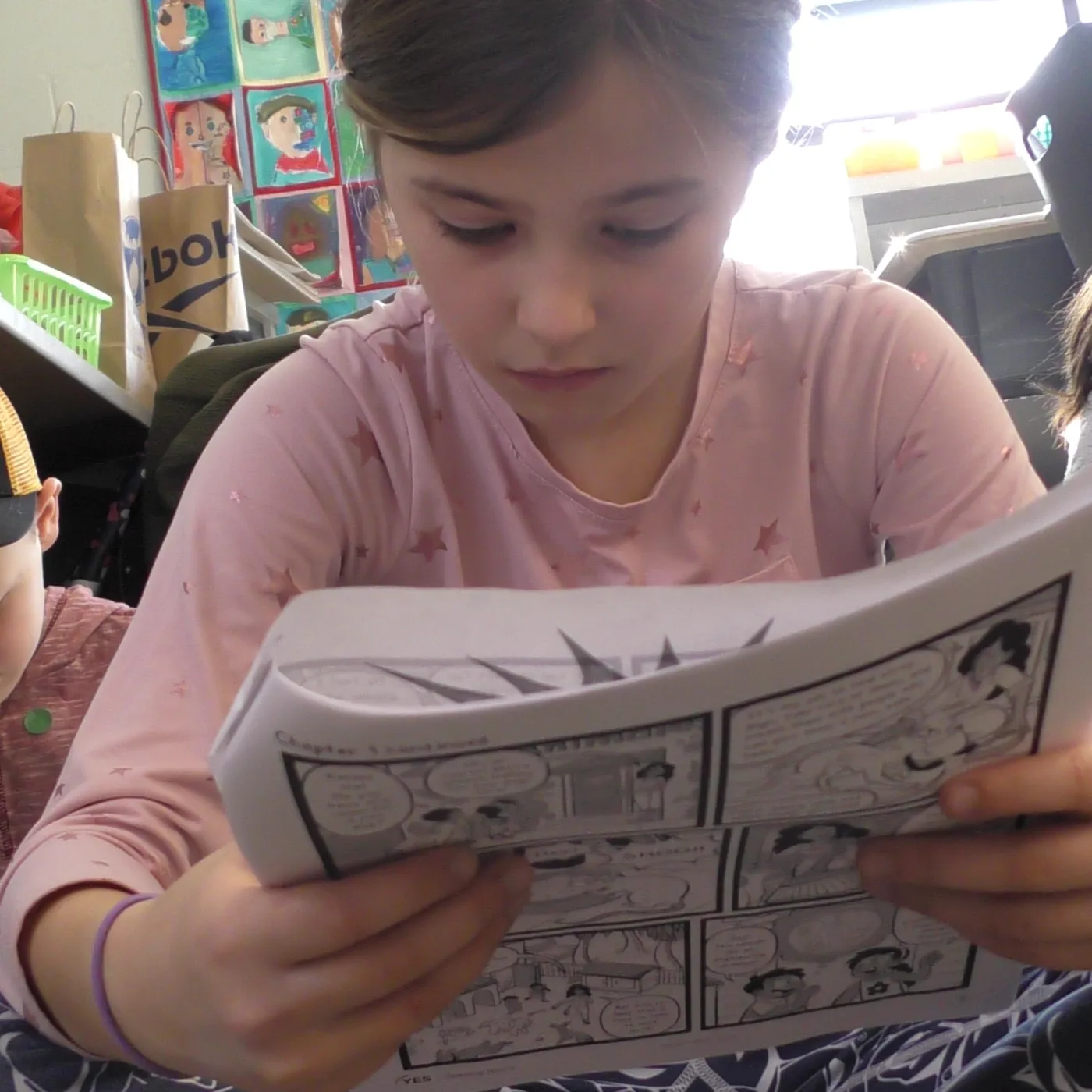
YES helps young learners consider problems in context by connecting challenges to experiences that feel familiar. For example, in the Engineering Nightlights unit, students read a story about two cousins who share a room but prefer different amounts of light when they sleep.

Highlight how problems impact groups differently.

YES supports contextual thinking by using comics and stories that highlight community challenges. In the engineering Plastic Filters unit, students see how plastic pollution affects different groups, then compare these perspectives to understand how a single problem can impact communities in varied ways.

Explore broader societal issues.

YES encourages older students to situate problems within larger societal contexts, such as understanding the environmental impact of fast fashion. Videos help anchor these challenges in real-world issues.

Videos

View this classroom video of students considering problems in context.

Play Video

What Does Our Hat Need to Cover?

Play Video

Why Should We Protect the Bay?

Video Reflection Questions

When planning their sun hat, students discuss how their hair styles affect which parts of their heads and neck they need protected from the sun. When thinking about the problem of plastic pollution in a bay, students realize that it might harm themselves, as consumers of fish and seafood.

A pair of students must design a sun hat that works for both of them, even though they have different needs for sun protection. Students brainstorm all the groups impacted by the problem of plastic pollution. The teacher helps them see how a problem for one group can affect others because they are all interconnected.

What does considering problems in context look like in your classroom?

  • Identify the user: Have students regularly identify who or what they are designing for and what the user needs. Simple prompts like “Who is this for?” and “How might this design affect them?” can guide decision making.
  • Connect to students’ lives: Choose challenges tied to familiar places or routines so students can see why the problem matters in their own school or community.

“The stories are written in a way that the kids can connect to that child who’s the main character because of a problem that they are going through or the way that they’re feeling as they’re going through it.” 


-Elementary School Teacher

Image
Icon with lightbuld and "Did You Know?"


Empathy is a core part of engineering—research shows that when students connect with the people affected by a problem, they generate more innovative and user-focused solutions. (Brichacek, K., Brown, O., & Pigozzi, L. (2023, June))

Want this engineering practice on hand?

Download the PDF to print or share this engineering practice!