Extend learning with this computer science module designed to be taught after Engineering Vision Extenders. Students consider how computers can help scientists search space telescope data for exoplanets. After learning to recognize patterns in light curves that indicate a possible exoplanet, students realize that patterns they can readily identify need to be described explicitly to a computer.
YES Middle School
Engineering Vision Extenders
Middle School
Waves
In Classrooms
Students use what they learn about the reflection of light as they engineer devices that extend users’ vision behind them.


Unit Overview
Students use the Engineering Design Process to design a wearable vision extender that enables users to see behind themselves without turning around. Students learn about their field of view and how light travels in predictable ways, even when reflected off curved surfaces.
- 9 lessons
- 45–55 minutes per lesson
- Student materials available in Spanish
- Connects to computer science modules: Exoplanet Discoveries and Light Sensors
| Curriculum Line | YES Middle School |
| Engineering Field | Optical Engineering |
| Science Domain | Physical Science |
| Science Topic | Reflection of light |
| Suggested Grade Level | 6 - 8 |
Standards Alignment
YES units align with state and national science standards, integrating seamlessly with popular middle school science curricula.
Unit Resources
Digital Resources (FREE)
YES provides these materials free of charge! Use the link below to download resources from our Google Drive.
Download ResourcesPurchase Materials
Educator Guide Pack -
$69
- Full-color print educator guide, plus multiple sets of heavy-duty reusable color-print resources (ex. vocabulary cards, materials glossaries, station signs, and student instructions) for the class.
Materials Kit -
$449
- Hands-on materials to support 24 learners.
Additional Section Kit -
$169
- Supplements Materials Kit to serve up to 24 more students.
Unit Map
Students are introduced to engineering by designing a phone stand to solve an everyday problem.
Students learn about the problem though a case study and experience it for themselves through a simulation. They measure their field of view and identify important criteria.
Teams investigate angles of reflection, then apply what they know about the path of light to see hidden objects using flat and flexible mirrors.
Teams collect data about how to place mirrors to see dangers approaching from behind. Students compare the benefits and limitations of using mirrors to expand their field of view.
Students consider tradeoffs as they brainstorm ideas and make a plan, justifying their ideas with evidence.
Teams collaborate to create their vision extenders.
Teams test their vision extenders. They evaluate results and identify one failure to flip.
Teams use test data to identify success and failures in their design, then plan their work for the day. They iterate on their design and compare their iterated design to their first.
Teams reflect on implications of vision extender technology through a Showcase, and reflect on their identity as engineers.
Teacher Preparation Videos
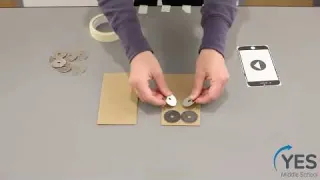

Lesson 1 Preparation: Model Phone
Videos for Students
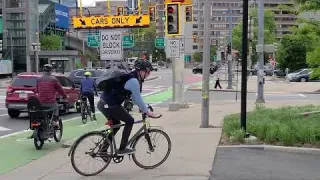
Lesson 2: Pedestrian Examples
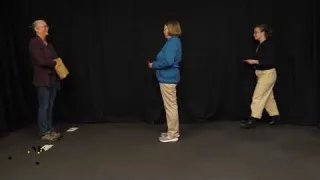
Lesson 2: Frame the Problem
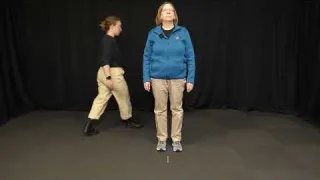
Lesson 2: How Much Can You See?
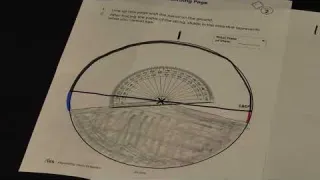
Lesson 2: How to Measure With a Protractor
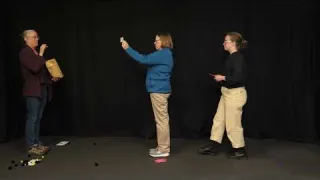
Lesson 4: Simulation
Our funders
Major support for this project has been provided by MathWorks.
Light Sensors
Extend learning with this computer science module designed to be taught after Engineering Vision Extenders. Students explore similarities and differences between sensors and their own senses. Students use a computer to monitor light and notify a user of changes in the environment.