Identify as Engineers

Through engagement in authentic engineering practices, engineers develop identities as creative problem solvers. They use processes, tools, and standards for quality and ethics that align with the discipline of engineering.

Image
Engineers

Why identifying as engineers is important for youth?

When students actively engage in engineering challenges, collaborate with peers, and persist through testing and improvement, they begin to see themselves as capable problem solvers. Engineering identity grows through authentic experiences, including imagining ideas, designing solutions, learning from failure, and making evidence-based decisions. 

Early, high-quality engineering experiences build confidence, creativity, and a sense of belonging in STEM. When youth identify as engineers, they are more likely to pursue future opportunities in engineering and envision themselves shaping solutions for their communities and the world. 
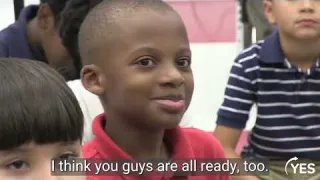
How does YES support students identifying as engineers?

Engage youth in authentic engineering work.

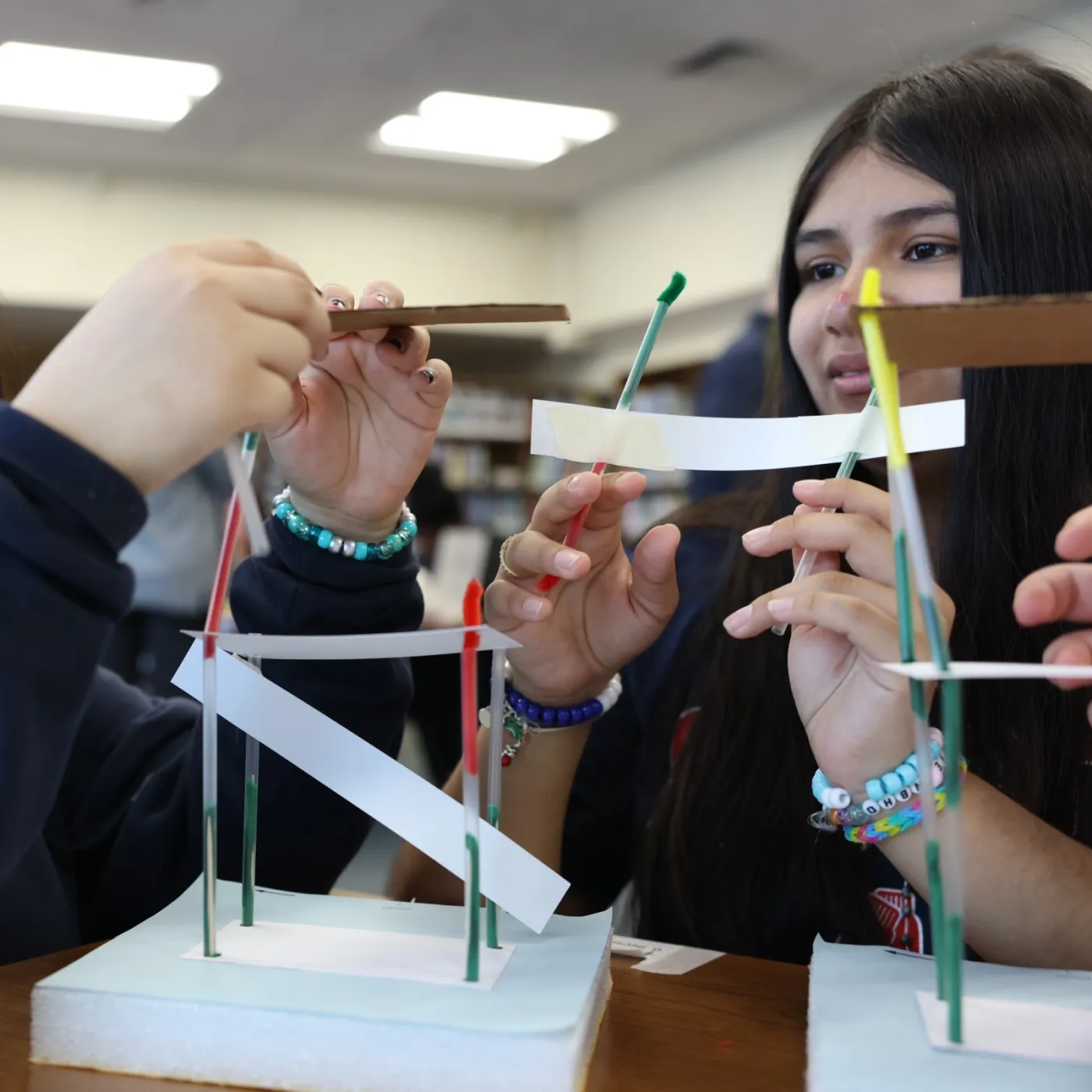
YES units immerse students in meaningful engineering challenges where they design, test, improve, and share solutions. These experiences help youth see themselves as capable engineers and problem solvers.  

Make engineering practices visible and personal.

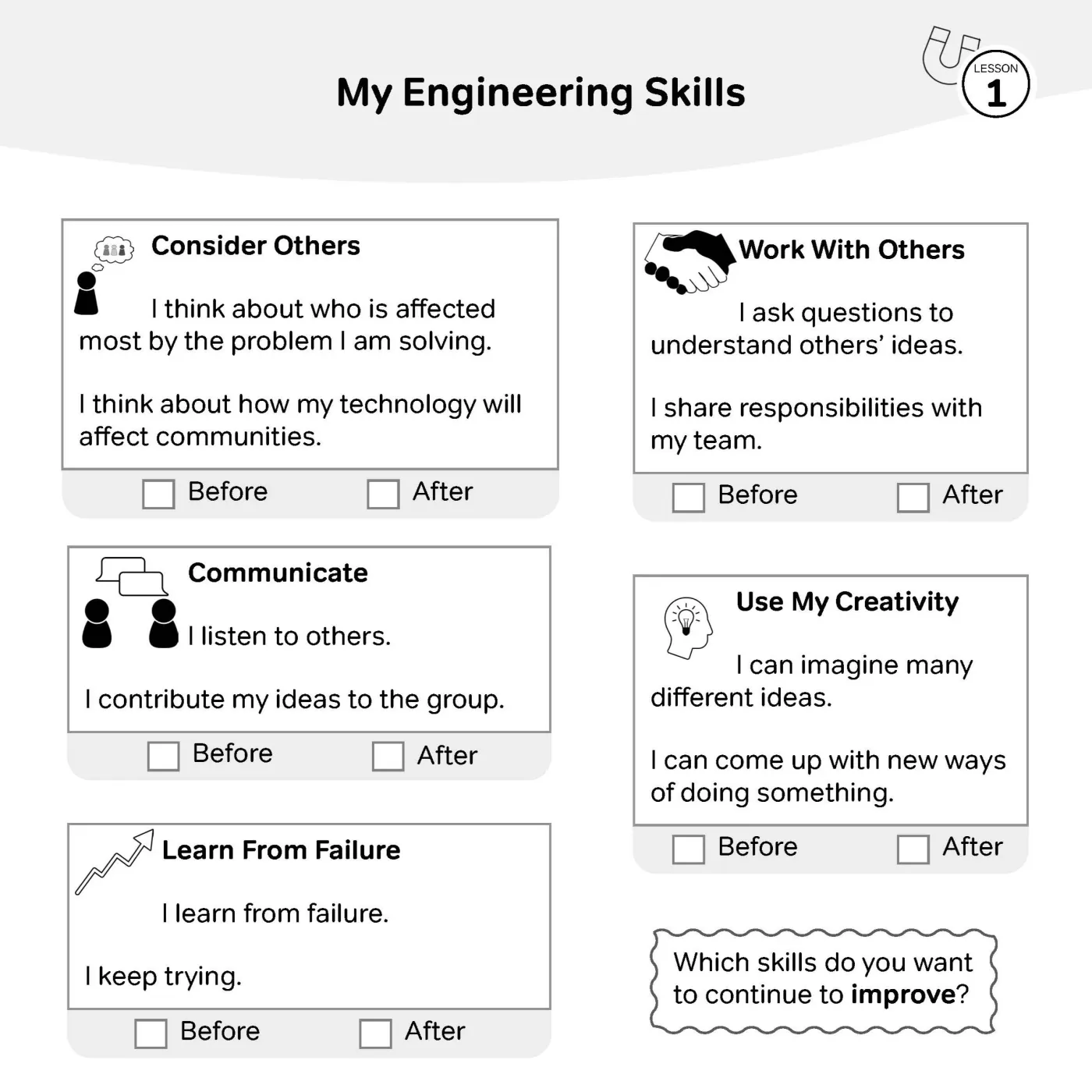
YES units guide students to reflect on the skills they use, such as working with others, using creativity, communicating, and learning from failure. Naming and connecting these practices to the work of engineers strengthens students’ confidence and sense of identity as problem solvers.  

Provide multiple ways for students to engage in engineering.

YES units invite students to participate through stories, hands-on explorations, drawing and sketching, building and testing, discussion, observation, and reflection. These varied experiences help students connect their own strengths, experiences, and ideas to engineering. 

Play Video

I’m Ready to Engineer

Play Video

You Guys Are Professional Engineers

Video Reflection Questions

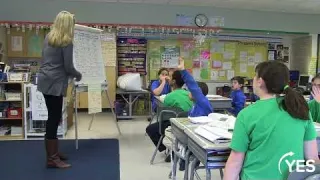
They refer to students as engineers and celebrate them, telling them they should be professional engineers when they perform an engineering task. They provide time to reflect on the steps they took to accomplish the engineering and the skills they used.

You can point out moments when students ask thoughtful questions, try new ideas, learn from setbacks, or improve a design.

You can create opportunities for every student to contribute ideas and encourage students to make personal connections to the experience.
Image
My Engineering Skills

What does students identifying as engineers look like in your classroom?

  • Call students engineers. Use language that connects students directly to the discipline by referring to their work as engineering and to them as engineers and problem solvers.  
  • Celebrate the engineering practices students use. Highlight moments when students collaborate, communicate ideas, persist through failure, test solutions, or improve designs so they recognize the skills they are developing.  
  • Connect engineering to students’ lives and experiences. Invite students to solve meaningful problems, share their ideas, and draw on their own experiences and creativity as they design solutions. 

“These lessons really pushed my students to help them see themselves as engineers and, real-world problem solvers, more so than other science lessons that we've engaged with.” 

- Elementary School Teacher 

Image
Icon with lightbuld and "Did You Know?"

Research shows that students are more likely to see themselves as engineers when they engage in authentic engineering challenges, collaborate with peers, and share their ideas and solutions. Early engineering experiences help youth build confidence, persistence, and a sense of belonging in STEM. 

Want this engineering practice on hand?

Download the PDF to print or share this engineering practice!