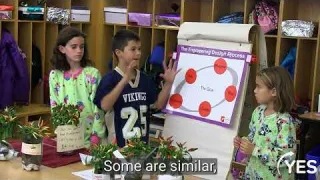
When students envision multiple solutions, they learn that there is no single “right” answer and that creativity, iteration, and thoughtful decision-making are essential parts of learning. Open-ended problems that allow for many possible solutions encourage flexible thinking and help students consider different approaches and innovative ideas.
When a diversity of ideas is encouraged, shared, and celebrated, students develop greater agency and ownership over their work. Because each design is unique, students must determine next steps, identify what they need to improve, and justify their choices, leading to greater engagement, deeper thinking, and stronger problem-solving skills.